The gift of presence (Part One)
Archbishop Pettipas reflects on his more than 18 years as archbishop
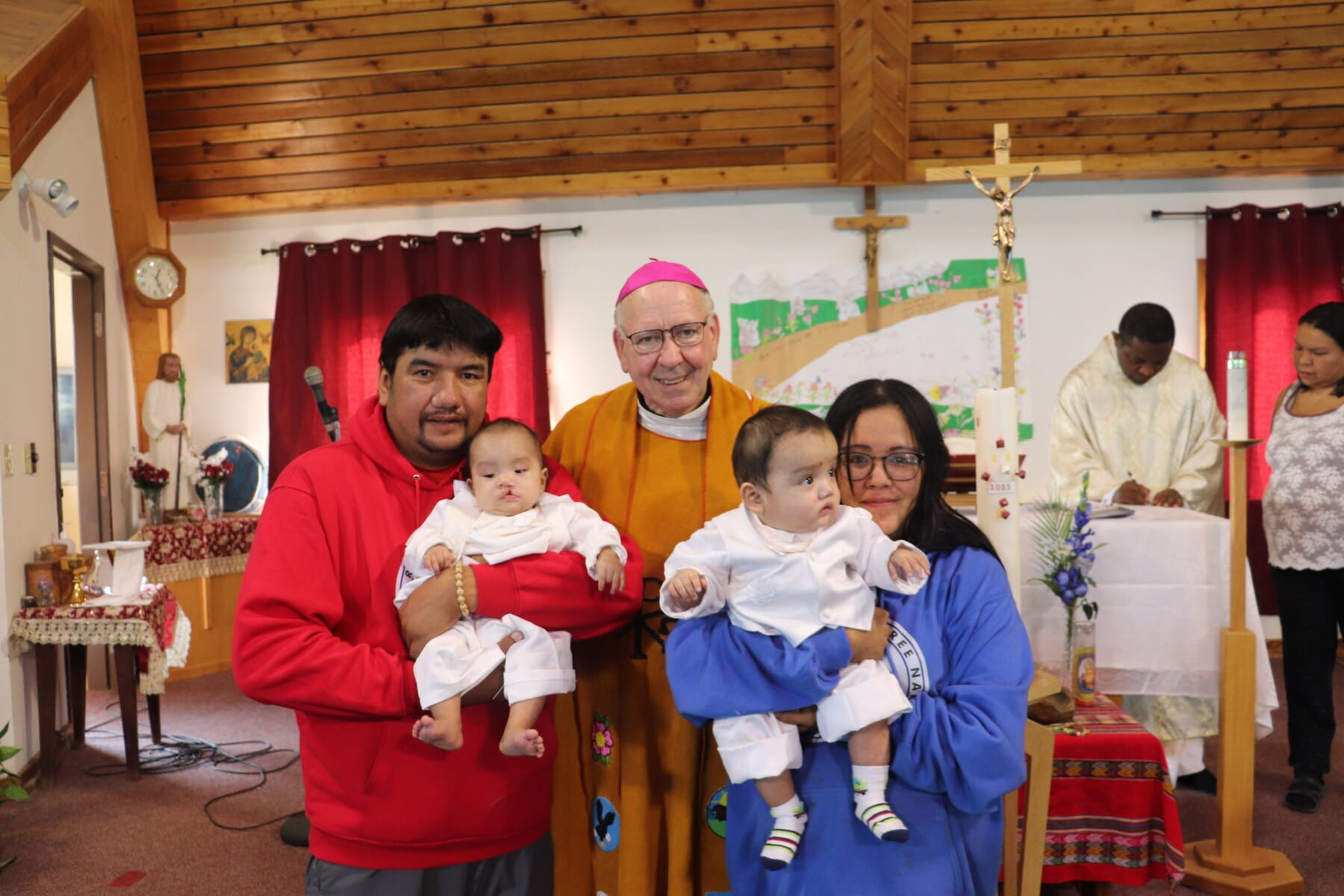
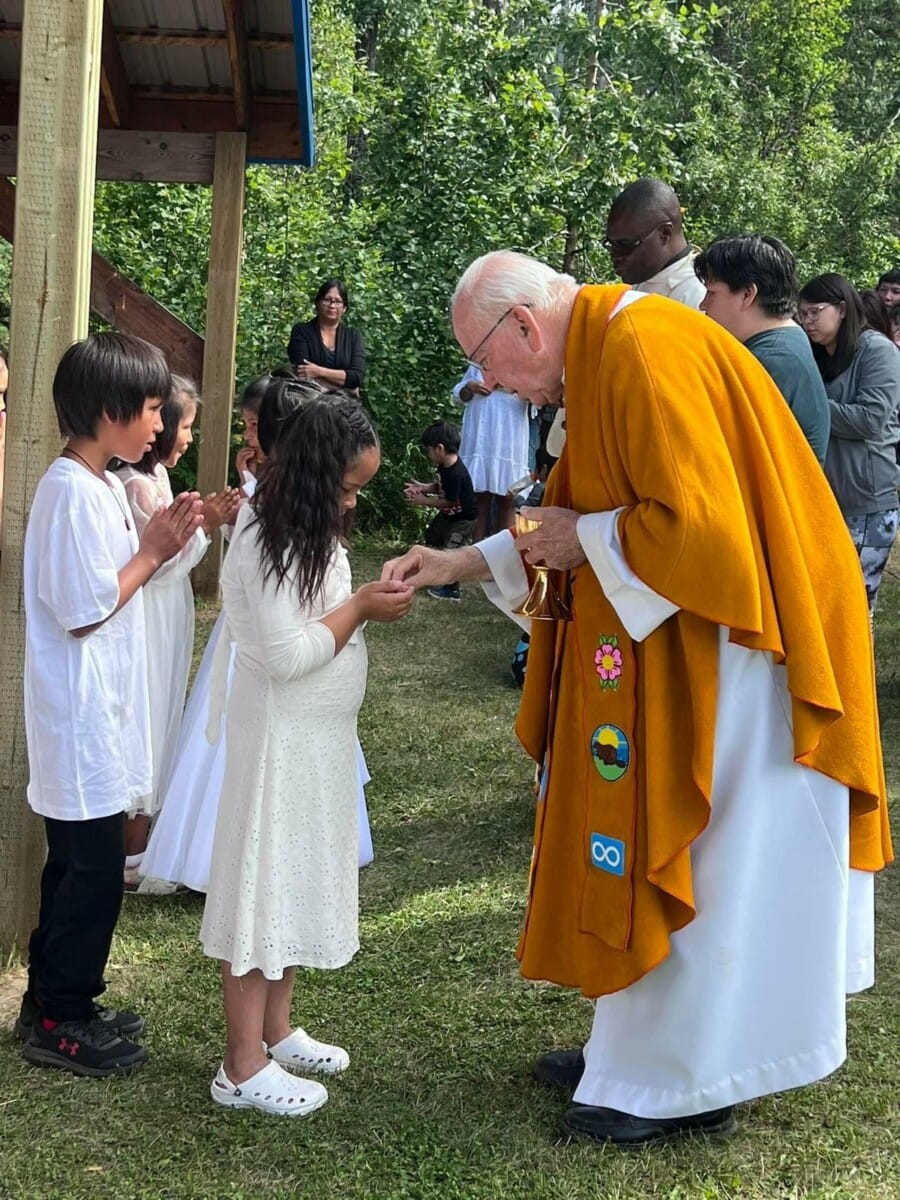
As he prepares for his retirement this fall, Most Rev. Gerard Pettipas is looking back on his tenure as archbishop with much gratitude.
Since his ordination to the episcopacy on January 25th, 2007, Pettipas has spent the past 18 years shepherding the Archdiocese of Grouard-McLennan. It’s a role that has led him to many places, to endure many trials and to receive many blessings.
Pettipas is quick to note that the life of an archbishop was never one he expected. He was born far away from the Peace Country he would one day shepherd, born on Sept. 6th, 1950 at the Infirmary in Halifax, Nova Scotia.
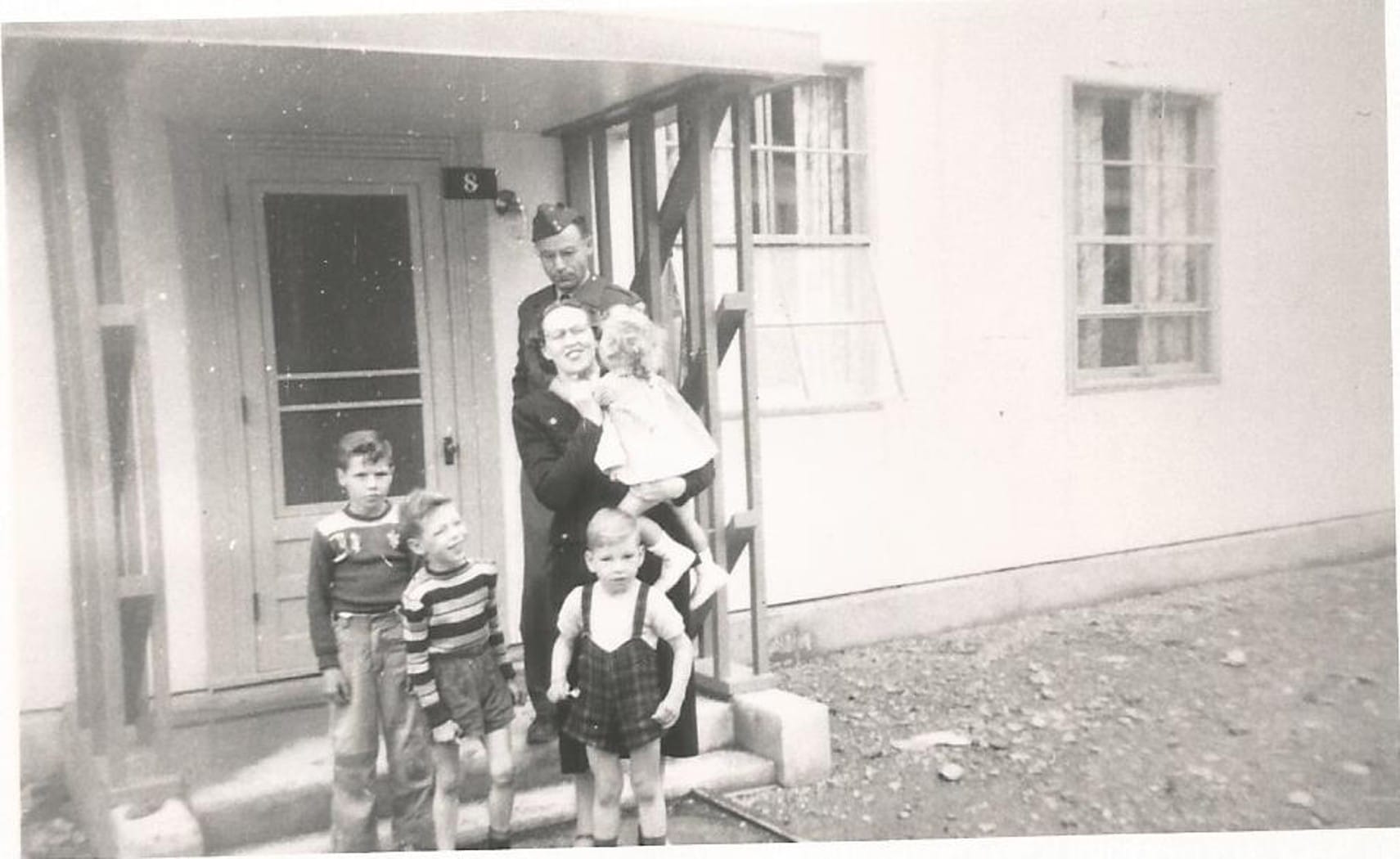
Because his father was in the Canadian Air Force, Pettipas spent much of his childhood living on air force bases across Canada – from Nova Scotia to Manitoba and various places in between. When asked where he is from, Pettipas has always considered the small village of East Chezzetcook, Nova Scotia as his “hometown”. Though he has never lived there himself, it is where his parents – Leo and Elizabeth Pettipas – met and were married.
The Catholic faith was a continual presence in Pettipas’s early life. His family never missed a Sunday Mass, and they would often pray the Rosary together, especially during Lent. There was also the witness of religious life on his mother’s side of the family, with an uncle who was a priest and bishop and an aunt who was a Sister of Charity of the Immaculate Conception.
As a boy Pettipas had ambitions of becoming an RCMP officer, but it was not long before thoughts of priesthood became a more dominant influence. Pettipas began altar serving when his family was stationed in Portage la Prairie, Manitoba. There he took a more active role at his local parish, volunteering with a youth group and helping the pastor. Over time, his thoughts turned more and more towards the idea of serving as a priest rather than as a Mountie.
Then, one Sunday, the youth of the parish were taken to the St. Boniface region of Winnipeg to attend a “vocations exhibit”, where there were a number of different religious communities visiting.
“This was something else; I had never seen so many priests and nuns before,” Pettipas recalled. “It was a real eye-opener and I soon found myself attracted to religious life, to the idea of being a priest in a religious community.”
Not long after this visit his family moved to Halifax, but the thoughts of a religious vocation stayed with Pettipas. One day while reading through religious magazines, he found a vocations ad for the Redemptorists that featured the tagline “Friendship at home will be your strength.” Something about this statement resonated with Pettipas, and he began a correspondence with a Redemptorists formator. When he was 14, this formator invited Pettipas to consider attending the Redemptorists’ minor seminary in Brookfield, Ontario.
After much thought and consideration, Pettipas made up his mind. On his 15th birthday, Sept. 6th, 1965, he left the family home for the minor seminary.
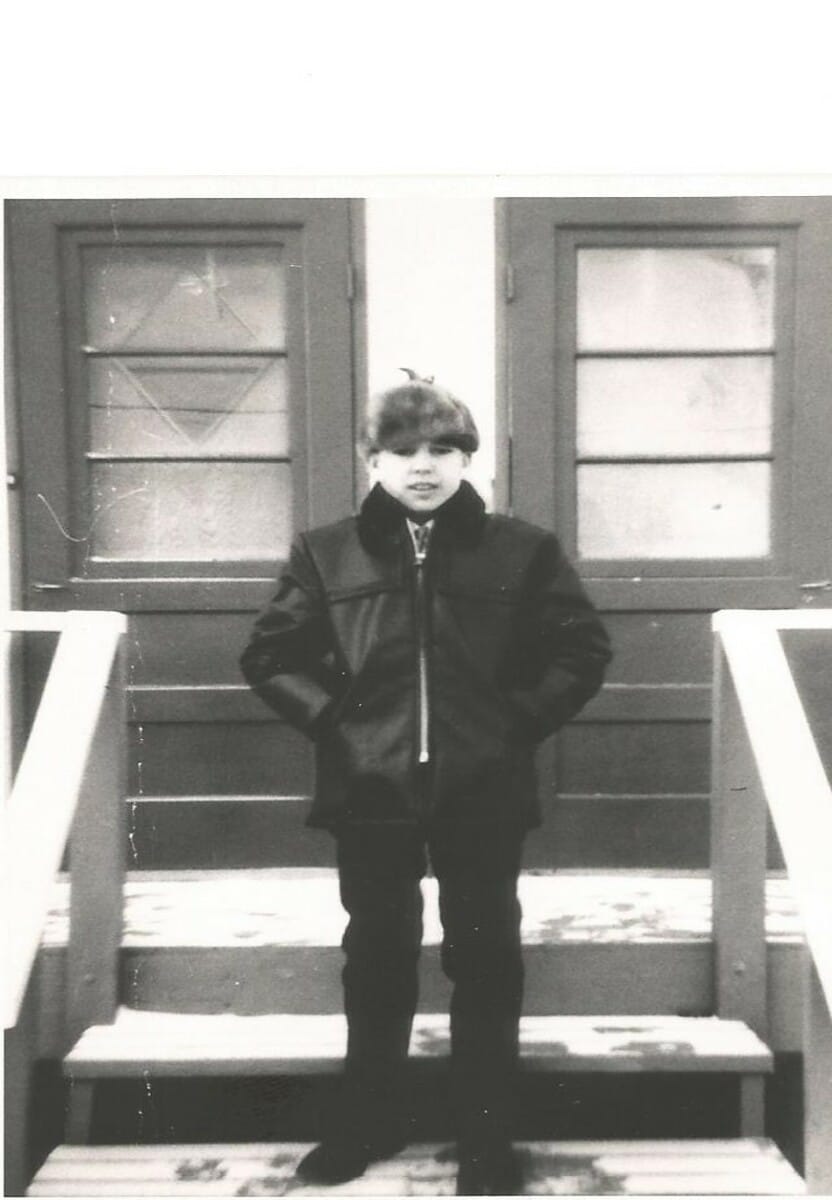
While his mother was distraught to see her child go, Pettipas’s father felt his son made the right decision. He himself had left home as a teenager to join the Navy and serve in the Second World War, so he saw his son’s decision as the proper rite of passage for a boy his age – to get out of the home and into the world.
“I remember when I got on the bus to Brookfield, as it was pulling out I saw my mom and dad standing on the sidewalk. My mom was crying and my dad was looking down at his shoes, a bit embarrassed by my mom being so emotional,” Pettipas recalled with a laugh.
“From then on, I didn’t really live with my family. I lived at different formation houses in various Redemptorist communities – in Brookfield, in Windsor, in Montreal, and finally I finished my Masters of Divinity in Toronto.
“I loved it at the minor seminary, and I never seriously considered leaving. So from that day on, until I became bishop, I grew up and lived my life with the Redemptorists.”
Pettipas looks back on his years at the minor seminary very fondly, noting that many of his peers would hold it as the best place in the world. His skills as a preacher he credits in part to the public speaking classes he took there, giving him the confidence to speak clearly and boldly before an audience.
After completing his theological studies and diaconate, Pettipas was ordained a priest on May 7th, 1977 at St. Patrick’s Church in Toronto. He spent both his diaconate and initial years as a priest at St. Theresa’s Church in St. John’s, Newfoundland. Afterwards, he was assigned to the Redemptorists’ formation house in Toronto, and then to Windsor, Ontario where he was made the novice master for the local Redemptorists’ province.
After six years in this position, he went on to serve as part of the Redemptorists youth team, and then was assigned as assistant rector at St. Patrick’s Church in Toronto. In 2000, he was sent out west to Grande Prairie, Alberta as the new pastor of St. Joseph Church.
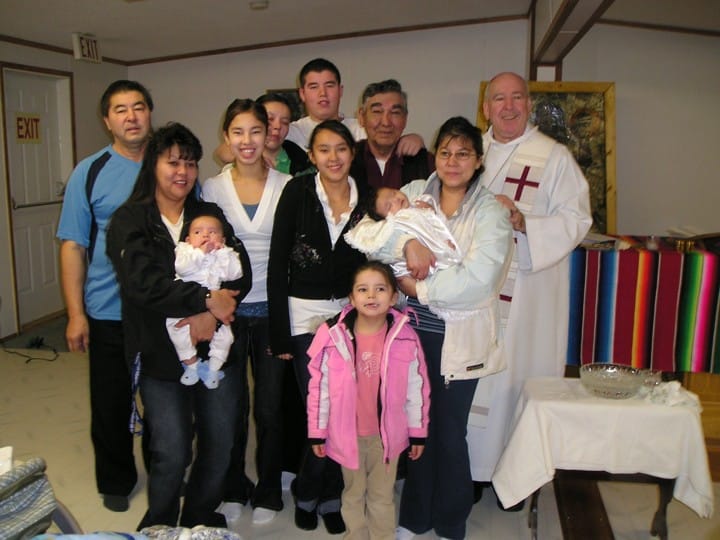
Pettipas served as pastor in Grande Prairie for seven years. His biggest milestone as pastor was in overseeing the construction of the new St. Joseph Church. It was just as that church build was nearing its completion that a fateful phone call came from the Apostolic Nuncio to Canada.
At that time the Archbishop of Grouard-McLennan, Arthe Guimond, had been seriously ill, and was unable to fulfill his ministry. By 2006, Archbishop Guimond had placed in the Oblate nursing home in St. Albert which offered care for elderly and ailing.
Pettipas knew the archdiocese was anxiously awaiting a new bishop, but never once did he consider, even for a moment, that he may be a potential candidate.
“It never entered my mind that I could be a bishop – never,” he said. “Then one day one of the priests at St. Joseph’s asked me, ‘Did a man with an Italian accent phone you this morning?’ I went back to our residence and saw that our phone had a missed call from the ‘Apostolic Nunciature’. Because they had been asking us information about potential candidates, I thought maybe the Nuncio had called for a clarification on some answer I had given him.”
When he finally got the Nuncio on the phone, it was no simple clarification he was looking for. Instead, Pettipas was informed that Pope Benedict XVI wanted him to be the next Archbishop of Grouard-McLennan. At that moment, Pettipas says his whole body began to shake.
After this life-altering phone call, Pettipas spent the rest of the day in prayer and reflection. That night he asked the Lord if this new vocation as bishop and successor to the Apostles was truly what he was being called to. After much meditation and many tears, Pettipas decided he would call back the Nuncio the next morning and accept the Holy Father’s request.
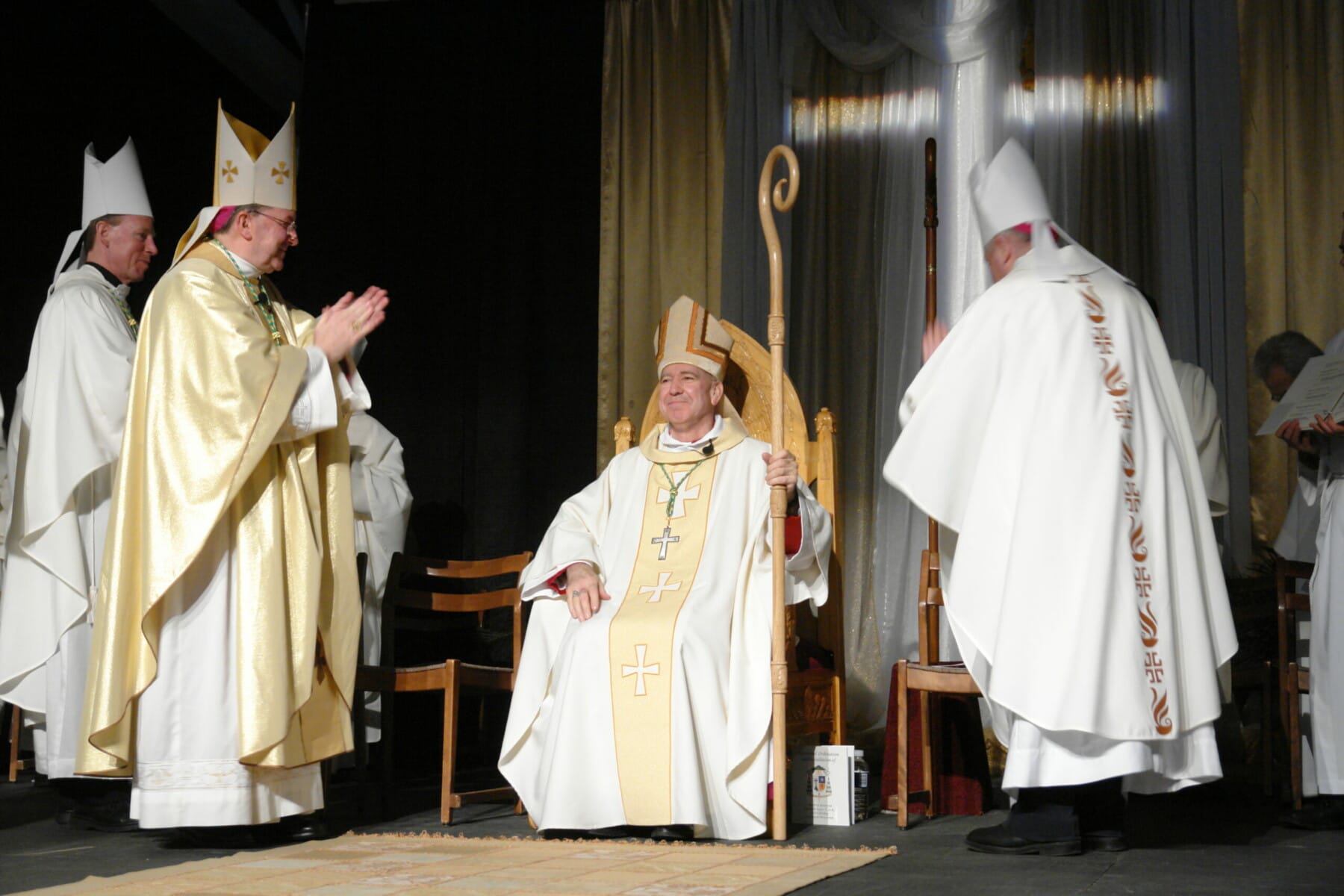
“It was a very difficult thing to think about and accept. But at the end of my praying and my crying, I decided that I didn’t have a good reason to say no or not to take it, so I did. And surprisingly, that night I slept very well,” Pettipas said.
“But there was much I had to learn about being a bishop. I did not know bishops well and I didn’t have many friends who were bishops. My superiors were either provincials or local rectors. I had to learn a lot right off the bat about how to be a bishop.”
One initial shock came when the Nuncio informed Pettipas that, as a bishop, his religious vows would be suspended and he would be leaving the Redemptorist community that had been the centre of his life since he was 15.
“I said, ‘What?! Do you mean I won’t be a Redemptorist anymore?’” Pettipas said, recalling his initial reaction. “And I was pleased with how the Nuncio answered. He said, ‘Father, think of a young man and he meets the woman of his dreams and decides he will marry her. He has his family of origin – his mom, dad and siblings – but when he marries someone, his wife and kids are now his family. They’re the ones that he has to dedicate his life to. His family of origin will always be there, but if there is ever any conflict he has to side with his married family. He has to be committed to his spouse and his children.’
“And I thought that made a lot of sense. I still belong to my family of origin, I still am a Redemptorist, but as bishop they are not the ones I am called to serve. And in living this out, I came to realize more deeply what all of that does mean.”
Pettipas was ordained the 5th Archbishop of Grouard-McLennan on January 25th, 2007 – the Feast of the Conversion of St. Paul.
With little background into the life and duties of a bishop, it was a steep learning curve for Archbishop Pettipas in many ways. One thing he learned very quickly was the extent to which things are expected of a bishop. For example, Pettipas says he realized right away that not only was he expected to attend many important functions and events, but he should always assume he will be asked to publicly speak at them also.
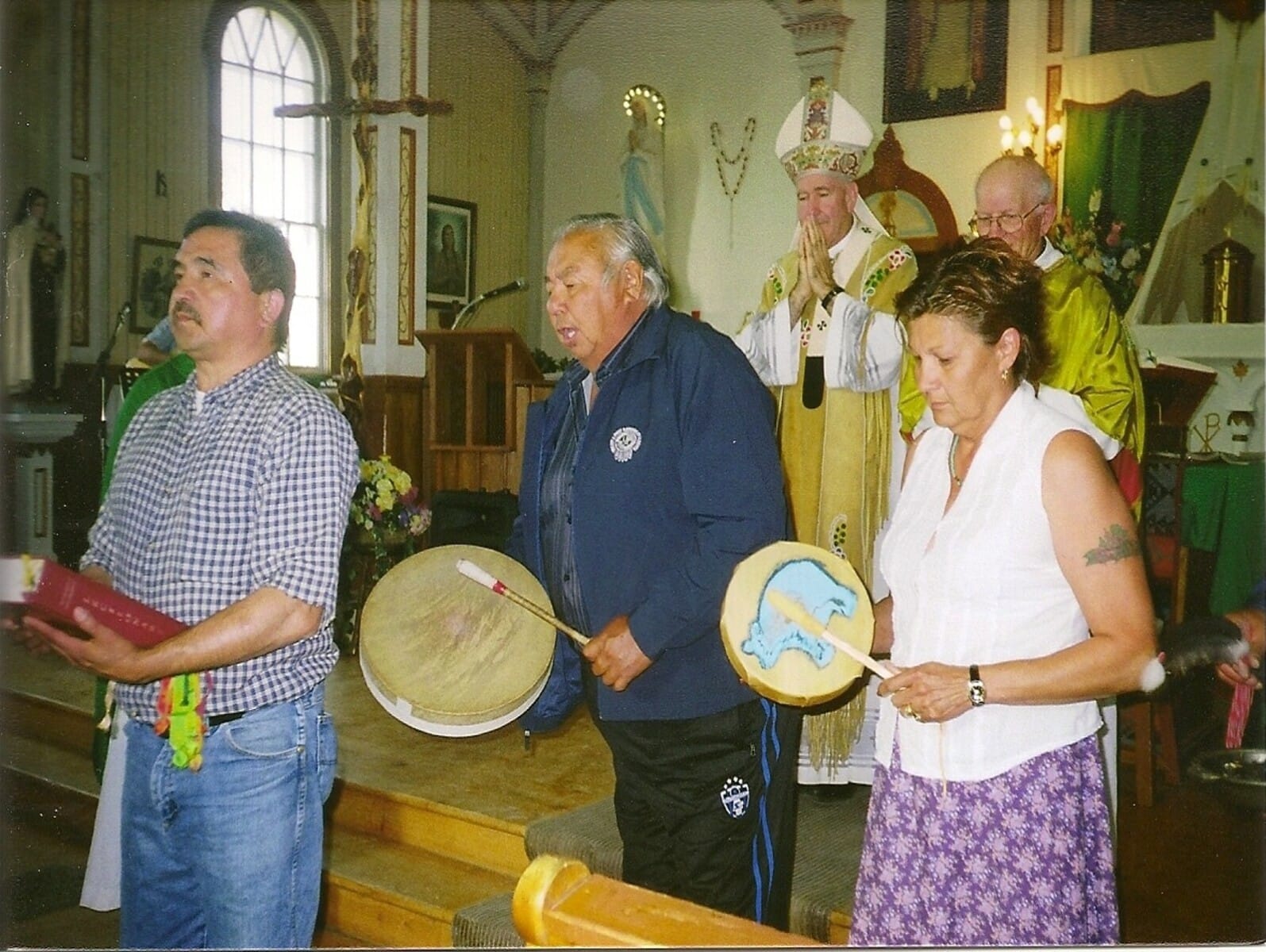
In getting to know Grouard-McLennan, Pettipas also had much to take in right off the bat. He began to see how vast and diverse the archdiocese is in both landscape and culture: with great disparities in population from one community to the next; with diverse populations like the Beaver, Dene, Metis and Cree Indigenous reserves and the French farming communities of Deanery 1; with the great distances many priests have to travel to oversee their parishes; and much more. As well, through meetings with the chancery and finance office, Pettipas learned about the difficult financial realities a missionary diocese like Grouard-McLennan continually faces.
But perhaps the most time-consuming and daunting learning curve in the early years of Archbishop Pettipas’s episcopacy came through the issue of Indian Residential Schools. Almost as soon as he donned his mitre and crozier, Pettipas was pulled into the complex and contentious work of both the Indian Residential Schools Settlement Agreement and the related Truth and Reconciliation Commission of Canada.
Grouard-McLennan had an active role to play in these efforts, considering that six residential schools operated within its borders. By the time Pettipas became archbishop, the IRS Settlement Agreement was nearing its final phases, with the expectation that it would provide compensation and reconciliation for people harmed and negatively impacted by the residential school system. He attended his first annual general meeting of CCEPIRSS (the Corporation of Catholic Entities Party to the Indian Residential School Settlement Agreement) in June of 2007. This corporation was founded to bring the Catholic dioceses and religious orders that ran Indian Residential Schools together under one entity, so that they could navigate the terms and conditions of the IRS Settlement Agreement as one collective body.
Pettipas had went to the meeting hoping to learn more about CCEPIRSS and this highly complex issue of residential schools, as well as the role his archdiocese was playing in the agreement, given that he had been archbishop for just over five months and, at that time, had very little knowledge of the history of Indian Residential Schools and the controversies surrounding them.
But little did he know, he would leave this meeting not only with a deeper understanding of Indian Residential Schools. To his surprise, at his first CCEPRISS meeting, he was voted in as the new chair and head of the corporation. This title led Pettipas to take an even more active role in working on both the IRS Settlement Agreement and the Truth and Reconciliation Commission.
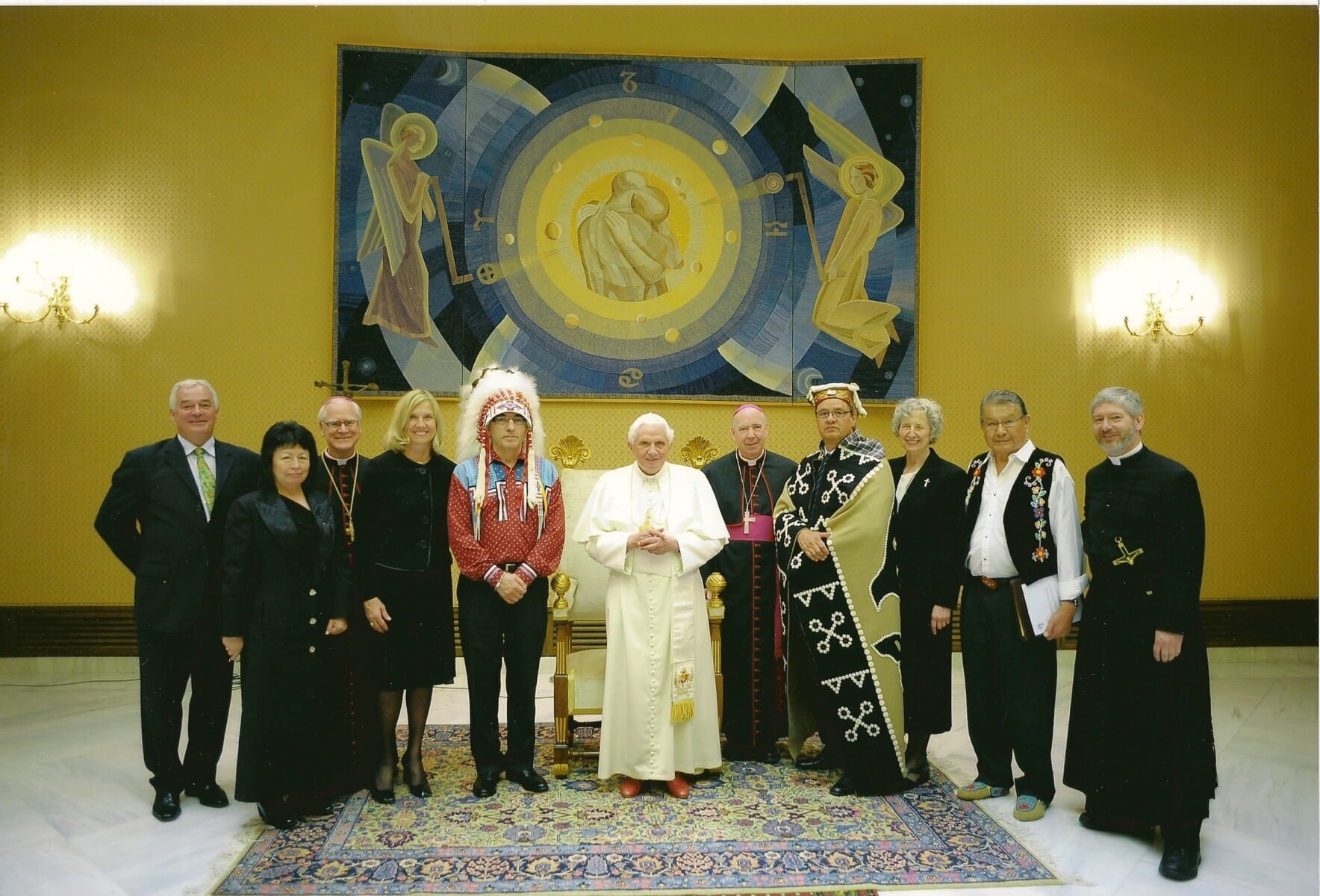
“Here they were asking me to chair the board of CCEPRISS, and what did I know? I tell you, it was a steep learning curve. I had to attend meetings all over the place, meeting with government representatives, Indigenous leaders, leaders of religious order, and more,” Pettipas recalled.
“With the Truth and Reconciliation Commission, I took part in a number of the national events that were held. It was very complex, but to me it was interesting to be involved with these events; it felt like we were a part of making history in Canada. Even though there were moments that were very difficult – I’d be brought to tears sometimes hearing the stories of what people experienced – but there was a spirit of reconciliation, of celebrating one another, also at these events. It was not easy, but I had this sense that I was being formed, as a Canadian and as a person, in taking in all of this. It became a deep part of who I am.”
The IRS Settlement Agreement was finally signed in September of 2007, but the issue of Indian Residential Schools and the Church’s ministry to Indigenous peoples would remain a continual and pivotal part of Pettipas’s episcopacy.
While Indigenous relations are sometimes contentious because of issues like the Indian Residential Schools, Pettipas notes that, over the past 18 years, there has also been many positive aspects of his ministry with the Indigenous communities of Grouard-McLennan.
The opportunity to attend various Indigenous-Catholic pilgrimages – in Lac Ste. Anne, Little Red River Cree Nation and in Eleske – have particularly moved him. His experiences of the Little Red River Pilgrimage in the northern reaches of the archdiocese, where much of the Mass is spoken and sung in Cree, struck him deeply.
“Before becoming bishop I had very little contact with Indigenous communities as such, so this was a new world to me,” he said. “At the pilgrimage in Little Red River, during certain prayers at Mass I’d shut up and they would sing or speak the prayers in Cree – like the Lamb of God and the Our Father. And I found myself drawn into that. It is awesome. I am full of awe to be there and listen to this.
“I’ve also seen a certain blend of Indigenous culture and Catholicism at some events, like tea dances where tobacco is burned and people make the Sign of the Cross as part of their prayer to the Creator. I find traditions like this very inspiring. The Indigenous people are deeply believing people. I’ve often said to people that I have never met an Indigenous atheist. It is a deep part of their culture and faith that, indeed, God made everything in creation. I’ve deeply appreciated this in Indigenous culture.”
Read part two of this story exclusively in the July-August 2025 edition of Northern Light